December 18, 2025
When it comes to managing waste from major cleanups, construction projects, or even residential de-cluttering, renting a dumpster can be a highly effective solution. Understanding how to utilize this service efficiently ensures you make the most of your investment. This article delves into strategies to maximize the efficiency of dumpster rentals, ensuring that users get the best value and service.
In this comprehensive guide, we will explore every aspect of dumpster rental, from selecting the appropriate size to effective waste loading techniques. By considering these guidelines, you can optimize your rental experience and manage waste in an environmentally conscious manner. Let's dive into the essential tips and considerations for using a dumpster rental efficiently.
Preparedness begins with understanding your waste disposal necessities, including accurate assessment, cost consideration, and adhering to local waste laws. The decisions made at the outset will influence the overall efficiency and success of the project. Let's walk through the critical steps to ensure your next dumpster rental is seamless and cost-effective.
Understanding Your Waste Disposal Needs
Understanding the types of waste involved is crucial when planning your dumpster rental. Different projects produce different kinds of waste, from general household items to construction debris and hazardous materials. Identifying waste types before renting ensures that you choose a dumpster company that can handle your specific needs. Equally, sorting waste accordingly can ensure compliance with local laws and enhance the efficiency of the disposal process. Some dumpster services offer specialized disposal options for electronics and hazardous waste, which are vital considerations.
According to BusinessPlan Templates, key operational metrics for dumpster services revolve around utilization rate, turnaround time, and recycling ratios. Many companies aim for a 40% recycling rate, which is significant when considering the types of waste you wish to dispose of. By segregating waste correctly, you can contribute to this environmental goal and ensure your project is completed responsibly. This approach not only safeguards the environment but also aligns with potential promotions or incentives offered by eco-friendly dumpster services.
Another critical factor is local regulations regarding waste disposal. Some types of waste, particularly hazardous materials or electronics, require specific disposal methods. Being aware of these regulations ensures compliance and helps avoid hefty fines and penalties. Engaging with a rental company that understands and complies with regional environmental laws ensures the legal disposal of your waste. An informed decision regarding waste types can significantly bolster an efficient waste disposal strategy.
Choosing the Right Size Dumpster
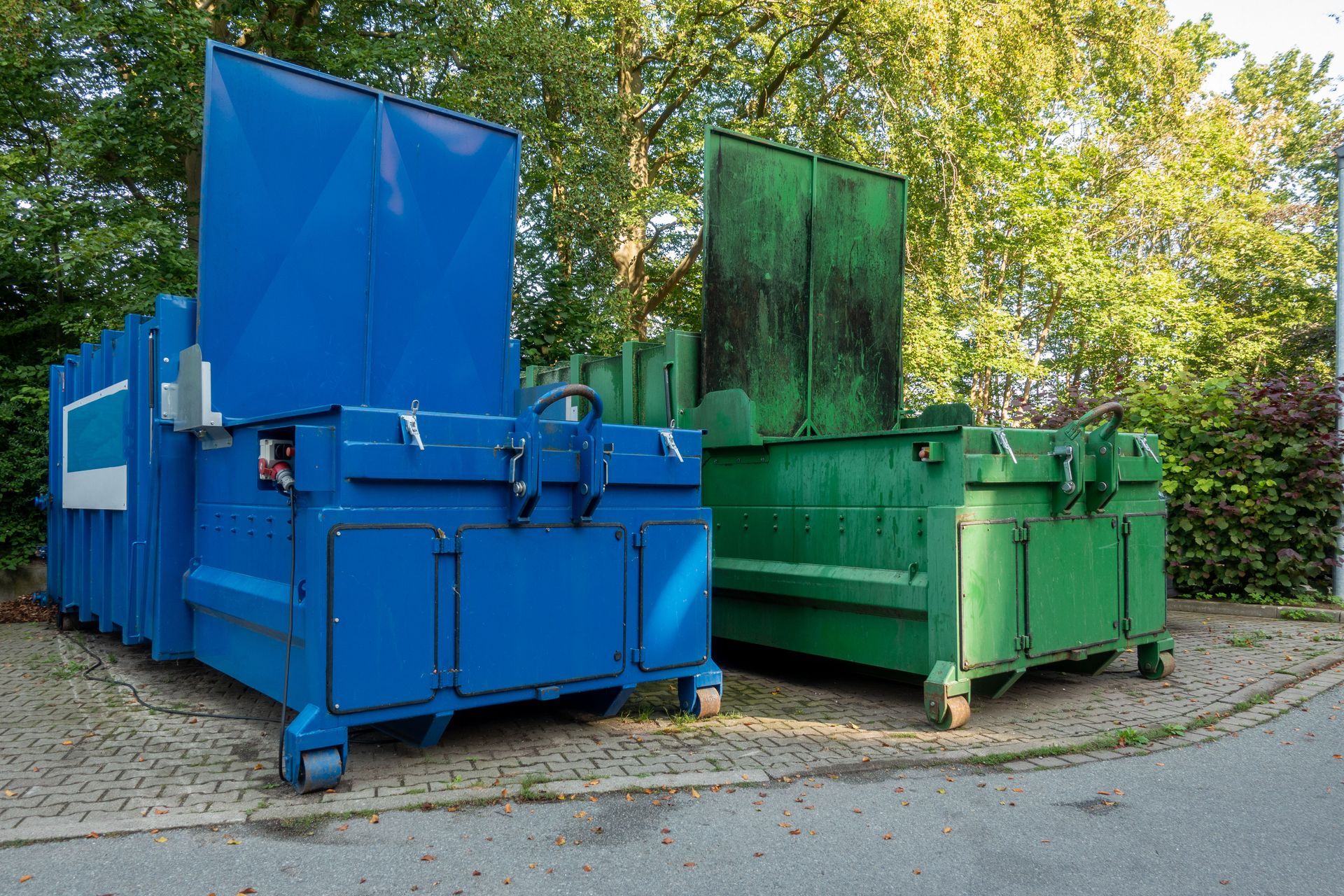
The choice of dumpster size is one of the most critical decisions affecting the efficiency and cost of a waste disposal project. Dumpster sizes typically range from 10 to 40 cubic yards, each catering to different waste volumes and types. Smaller dumpsters are often sufficient for residential cleanouts, minor renovations, or yard debris. In contrast, larger dumpsters suit major construction projects, extensive renovations, or community cleanup efforts. Understanding the common dumpster sizes available is essential for aligning your needs with the most appropriate option.
Each size comes with specific limitations and capabilities, influencing the overall cost and usage effectiveness. A smaller unit may offer convenience and ease of placement, but can result in frequent pickups if the waste volume exceeds expectations. Conversely, an oversized container might incur unnecessary rental fees without full utilization. Consultations with rental companies can provide insights into selecting an adequately sized dumpster based on project specifics. It’s crucial to avoid the extremes of overestimation or underestimation to streamline operational efficiency.
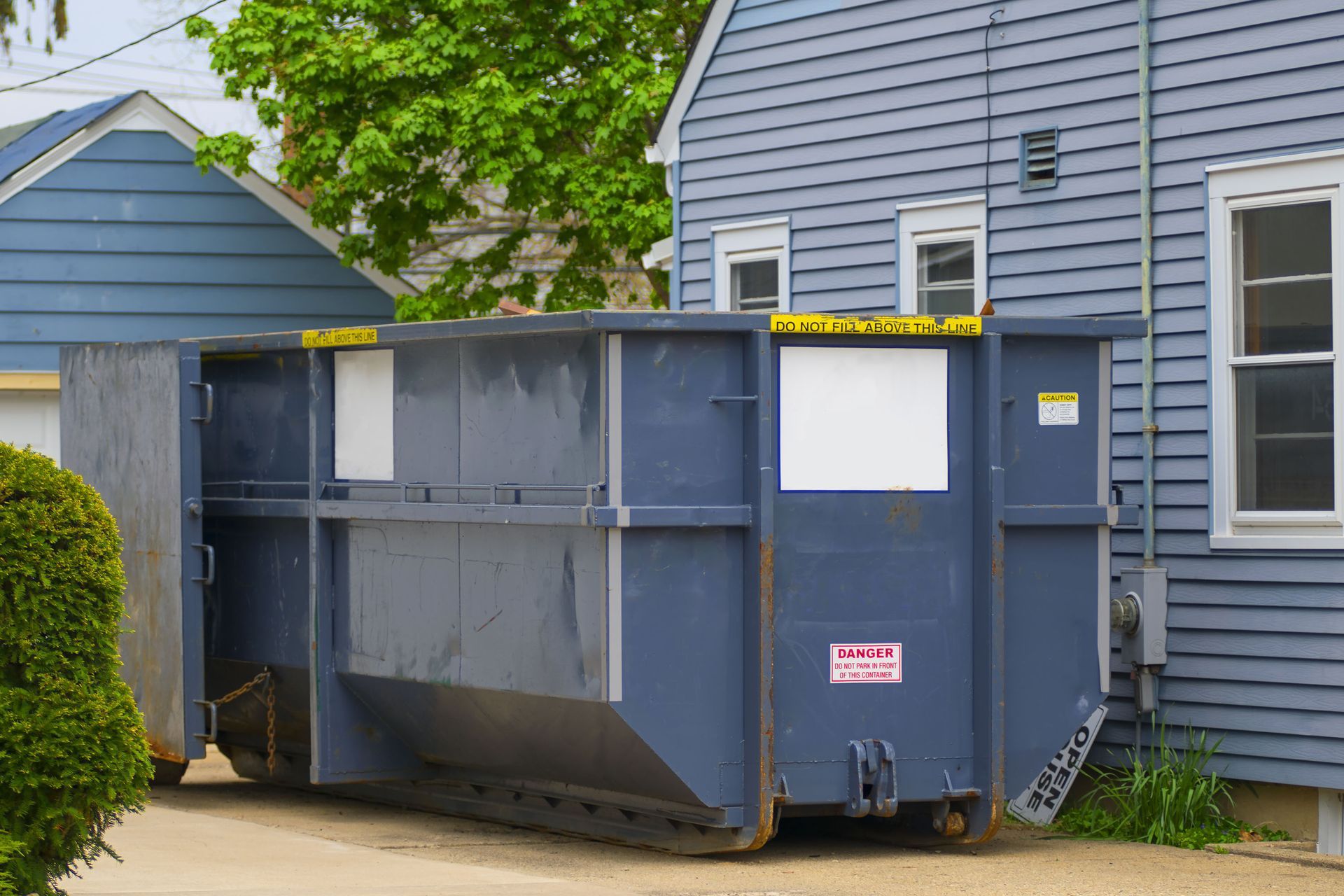
The decision on dumpster size must also consider the physical space available at the project location. Different site layouts may accommodate specific sizes more comfortably, impacting the ease of waste loading and retrieval. Proper site assessment and strategic dumpster placement can optimize the available space, enhancing operational workflow. Whether managing a home renovation or a robust construction project, careful evaluation of size options maximizes the practicality and economic focus of the rental service.
Cost Management and Budgeting
Dumpster rental costs are influenced by multiple factors, ranging from rental duration and dumpster size to the specific region and type of waste being disposed of. Understanding these elements can help manage expenses effectively while ensuring compliance with industry standards. Location-specific considerations involve permit fees and transportation costs, as these can vary widely depending on municipal regulations. The type of waste, especially if it includes hazardous materials, may require specialized handling, affecting cost structures. Thoroughly accounting for these variabilities is critical when planning waste disposal expenses.
Rental companies may also implement cost structures based on seasonal demand or changes in fuel prices, impacting total service charges. By aligning the timing of your purchasing decisions with off-peak periods, there's potential for price reductions or additional promotional discounts. Awareness of market fluctuations and regional variables profoundly impacts the efficacy of cost management strategies. This defined understanding supports informed decision-making, enabling stakeholders to negotiate effectively and secure cost-efficient waste management solutions.
Another key factor is the operational metric of recycling rates, with many companies targeting a 40% recycling goal. Opting for services that emphasize recycling aligns with broader sustainability goals and can offer cost advantages through reduced disposal fees. The strategic emphasis on recycling underpins effective cost management strategies, bolstering environmental goals while maintaining budgetary alignment. Through informed selection, project managers can balance fiscal responsibility with strategic operational achievements.
Efficient Loading Techniques for Maximum Space
Once you have selected the appropriate dumpster size, the next step is learning how to load it efficiently. Poor loading strategies often result in wasted space, uneven weight distribution, and the need for additional hauls. To begin, always place heavier and bulkier items at the bottom of the container. This creates a stable base and ensures the dumpster remains balanced during transportation. Items such as old furniture, broken appliances, or construction debris should be loaded first, with lighter materials layered on top.
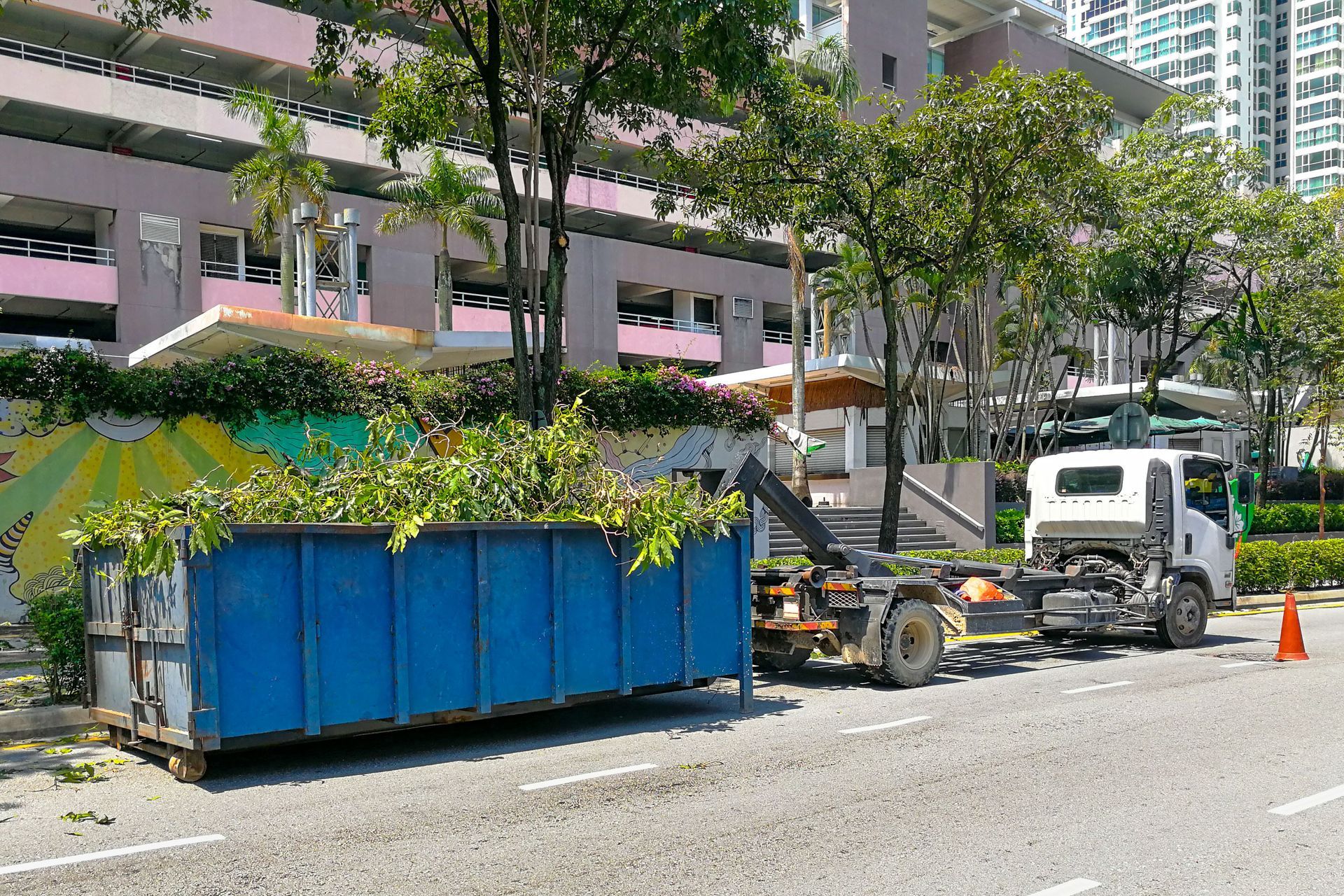
Breaking down large items whenever possible is another excellent way to maximize internal space. Disassembling furniture, flattening cardboard boxes, and cutting oversized branches into smaller pieces can dramatically improve capacity. This not only extends the lifespan of your rental period but also minimizes the risk of overloading. Overfilled dumpsters often incur extra fees or require operators to redistribute the load for safety. By taking a methodical approach to loading, you optimize usable space and reduce the likelihood of additional expenses.
Strategic loading also involves filling gaps as you go. Similar to packing a moving truck, placing smaller items in crevices between larger pieces can drastically increase the volume of material the dumpster can hold. If you are disposing of mixed waste, alternate between heavy and light items to maintain balance and prevent shifting. These techniques contribute to a safer, cleaner, and more efficient disposal process.
Scheduling, Timing, and Site Preparation
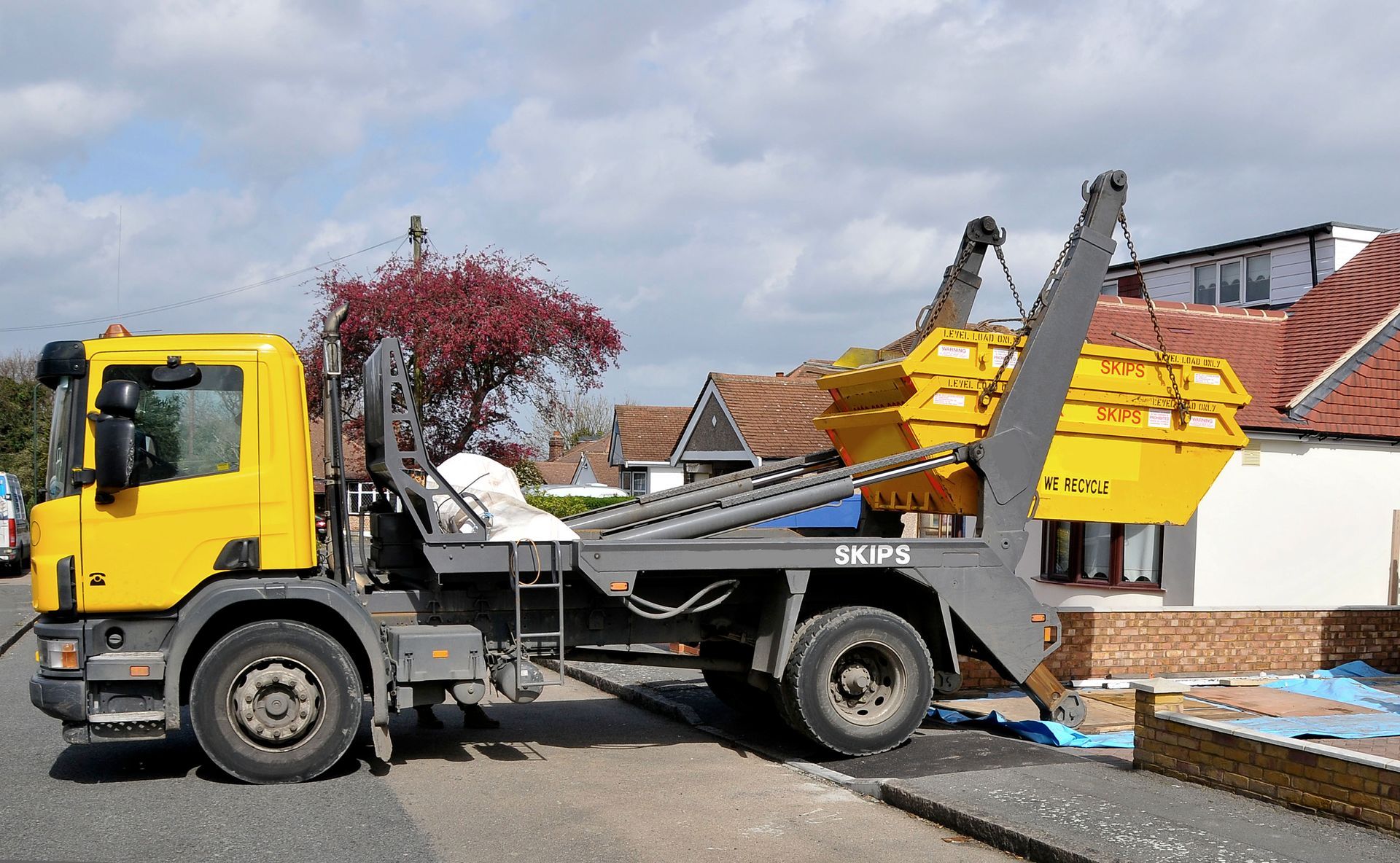
Another crucial element of maximizing your dumpster rental efficiency involves proper scheduling and site planning. Determine when your project will generate the most waste and schedule the rental accordingly. Ordering a dumpster too early may lead to unnecessary rental days, whereas scheduling too late can cause delays in your project timeline. Planning and communicating with the rental company allows for timely delivery, pick-up, and replacement if needed.
Site preparation is equally important. The designated drop-off location should be level, easily accessible, and clear of obstacles such as vehicles or landscaping features. A well-prepared site not only assists the delivery driver but also enables smoother waste disposal throughout the project. For residential areas, ensure the dumpster placement follows local regulations, particularly regarding street access or neighborhood association rules. Clear communication with both the rental service and anyone working on the project helps maintain a smooth workflow and minimizes disruptions.
Additionally, consider the duration of the project and plan for potential extensions. Projects often take longer than anticipated, and having flexibility in your rental agreement can prevent the inconvenience of early removal or last-minute scheduling changes. Transparency about expected waste volume and project scope ensures everyone remains aligned and prepared.
Using a dumpster rental effectively requires thoughtful planning, informed decision-making, and strategic loading techniques. By understanding your waste disposal needs, selecting the right size, and maintaining strong cost and scheduling awareness, you set the foundation for a smooth and efficient experience. With careful preparation and environmentally conscious practices, you can manage waste responsibly while supporting both budgetary goals and sustainability efforts. For more information about the services that we offer, reach out to our incredible team at Carter's Hauling today!