February 18, 2026
Yard cleanups can be a big job, and hiring a dumpster rental service makes it easier to manage everything from grass clippings to old garden furniture. With the U.S. generating 268 million tons of waste annually, or about 4.5 pounds per person per day, according to Dumpsters.com, it's more important than ever to dispose of yard waste responsibly. Not all materials are suitable for standard dumpster disposal, so understanding what can and can't go in your rental ensures a smooth, safe, and environmentally responsible cleanup. Let's break down the types of yard waste you can throw away, along with the items that require special handling, helping you plan your project efficiently while protecting your property and local ecosystem.
What You Can Throw Away
Grass Clippings and Leaves
Grass clippings and leaves are among the most common components of yard waste that homeowners seek to dispose of when using a dumpster rental service. Clippings compact well and can usually be composted or recycled effectively, making them ideal candidates for green waste collection services. It's important, however, to ensure that clippings and leaves are free from contaminants like plastic or other materials that can't be composted. Clean loads maximize curb appeal while promoting efficient processing at disposal facilities. Using garden bags or simply loading them directly into the rental dumpster can facilitate mess-free disposal of organic waste.
Disposing of grass and leaves properly contributes to long-term soil health by returning nutrients back into the ecosystem through managed composting. Regions with specific regulations on yard waste might allow or require separate collection of such organic materials. When correctly managed, these clippings can also serve as natural fertilizers for your garden beds, if left on the lawn or used around the property. A dumpster rental service with a focus on recycling and resource management helps minimize environmental impact by promoting optimal use of organic resources. Many municipal programs support these efforts by incentivizing green waste collection and offering discounts for compliant services.
Branches and Tree Limbs
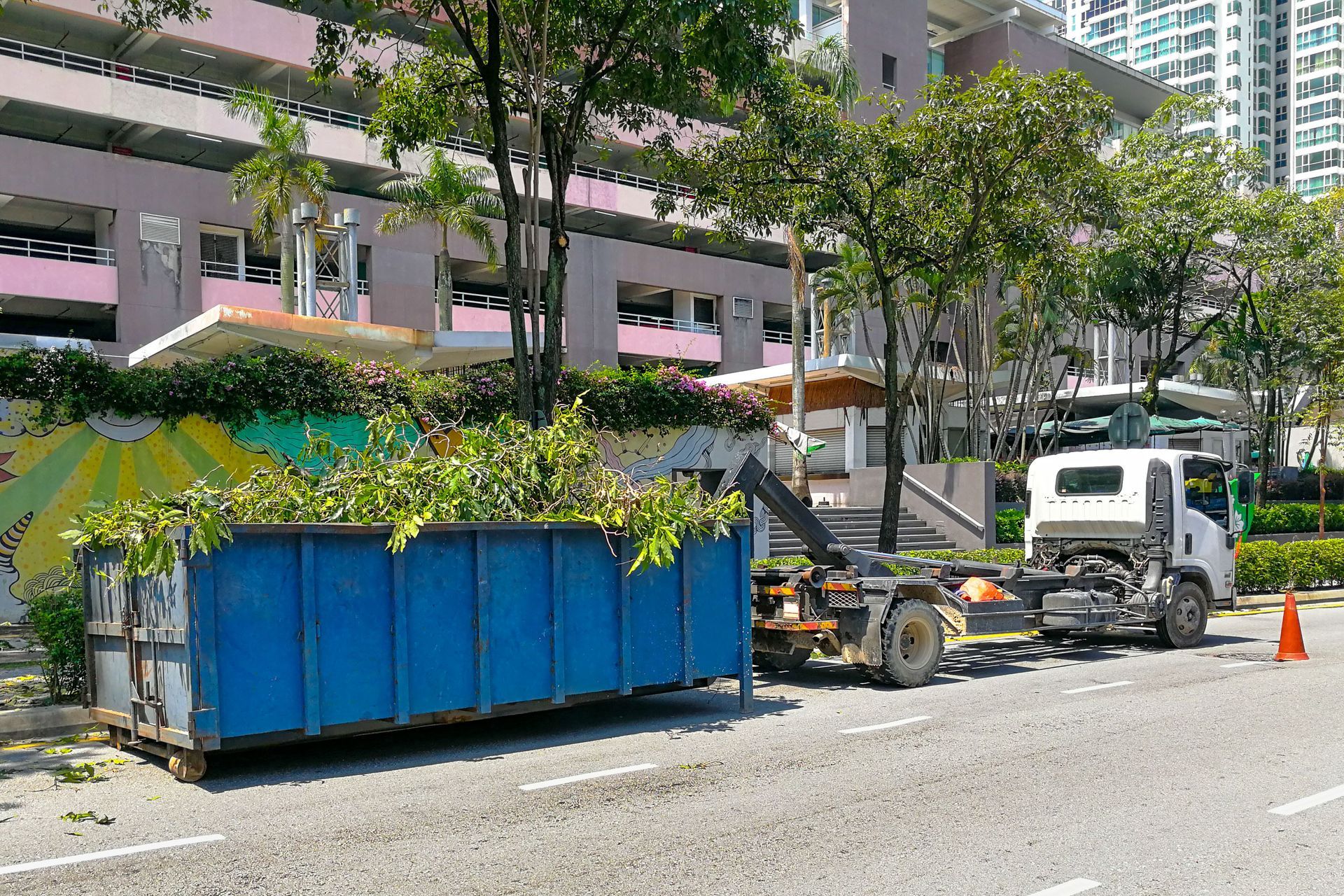
Branches and tree limbs can quickly accumulate in open spaces, contributing significantly to clean-up challenges during yard maintenance sessions. Many dumpster rental services accept branches and limbs, providing a practical solution for bulk disposal. It is essential to confirm specific terms with your rental provider, including acceptable branch size and any necessary preparation, such as cutting longer limbs into manageable lengths. This ensures easy handling and improved capacity in your selected rental dumpster. Adhering to these guidelines facilitates streamlined disposal processes.
Managed disposal of wood waste through backyard waste services prevents ecological disruptions caused by cluttered debris fields. Proper sizing and sectional preparation of branches optimize the use of disposal resources, keeping yard waste removal cost-efficient and organized. A solid understanding of acceptable practices helps plan wood waste disposal in advance, supporting efficient project completion. When possible, homeowners may also consider alternative uses, such as converting branches into mulch or wood chips for landscaping projects. Integrating multiple disposal approaches typically results in a more holistic and responsible yard cleanup.
Old Garden Furniture
As garden features age, the need to upgrade or replace furniture becomes apparent, requiring an effective disposal strategy. Old garden furniture, including chairs, tables, and accessories, typically comprises a mix of materials, such as metal, wood, and plastic. Dumpster rentals offer a straightforward solution for disposing of bulkier furniture pieces, provided the items aren't categorized as hazardous. The complete removal of outdated or broken equipment is achievable through efficient space utilization and material separation. Before disposal, consider donating or repurposing usable furniture items to minimize total waste generation.
Handling garden furniture waste responsibly involves confirming local guidelines on material types acceptable in yard waste dumpsters. Not all dumpster rental services support combined material solutions, so utilizing a designated receptacle is essential. Consigning a mixed-material item aligns with companies specializing in diverse material processing while adhering to local recycling mandates. Homeowners should seek detailed agreement terms around what can or cannot be disposed of to ensure a hassle-free waste management project. Employing sustainable practices is beneficial in meeting community goals to reduce landfill clutter.
Dirt and Soil
Disposing of dirt and soil requires careful adherence to regulatory conditions due to potential environmental impacts. Not all dumpster rental services accept soil or dirt, and those that do may have strict guidelines in place. For instance, the presence of contaminants like pesticides or chemical fertilizers complicates disposal and necessitates specialized handling. Therefore, confirming allowable materials with your rental provider upfront is vital in ensuring compliance. By understanding these regulations, homeowners can better manage their soil disposal practices.
Quantity limitations are another factor to consider when dealing with soil disposal in dumpsters. Dumpsters have weight limits, and soil can add considerable heft due to its density, potentially requiring an adjustment in disposal strategy. Communicating with your service provider about weight limitations and soil guidelines ensures effective use of your rental without incurring fines for exceeding designated capacities. By following these parameters, effective waste management and disposal are achievable. Compliance with soil disposal rules protects groundwater and promotes healthy environmental practices in your local area.
What You Can't Throw Away
Chemicals and Pesticides
Hiring a dumpster rental service for yard cleanup projects requires vigilance concerning the types of items introduced into the disposal system. Chemicals such as fertilizers, pesticides, paints, or solvents are typically prohibited due to their environmental impact. Dumping these substances leads to potential groundwater contamination and poses harmful risks to landfill ecosystems. These hazardous materials require careful handling, which is generally coordinated through local hazardous waste facilities rather than in general or yard waste dumpsters. Homeowners should prioritize awareness of prohibited materials when planning waste disposal activities.
Ensuring proper disposal of chemicals aligns with a commitment to local regulatory compliance and sustains a community's natural resources. Addressing chemical waste responsibly involves utilizing designated drop-off points or household hazardous waste collection events, often hosted by local environmental authorities. By understanding pertinent disposal procedures for prohibited items, homeowners significantly reduce the risk of environmental harm. Instructional guidance on safe disposal practices and understanding local provisions emphasizes the collective responsibility of ensuring sustainable waste management. Facilitating proper process awareness aids in meeting community goals for regulated chemical removal.
Hazardous Waste
Hazardous waste encompasses a range of materials beyond chemicals, including items like batteries, motor oil, or asbestos, each requiring specialized disposal methods separate from standard dumpsters. Misinformation about potentially dangerous household materials risks unnecessary environmental contamination, leading to community health dangers. Renting a dumpster for yard cleanup necessitates a full understanding of materials classified as hazardous, which demands adherence to state regulations for removal and disposal. Successful initiatives divert hazardous waste safely into designated channels, mitigating environmental impact retained within conscious practices.
Alternatives to dumpster disposal for hazardous waste include household hazardous waste programs provided by local government or approved private entities. These programs frequently offer facilities for proper disposal or consider scheduling special collection events to handle potentially dangerous waste correctly. Emphasis on convenient access to these services aligns with community-assisted methods for effectively managing hazardous waste. Knowing these resources and participating assists households in remaining compliant within governed frameworks. Incorporating viable alternatives impacts how hazardous materials are addressed locally while enhancing sustainability objectives.
Proper yard cleanup goes beyond just tidying up your property. It's about disposing of waste responsibly and reducing your impact on landfills. By knowing what items are accepted by a dumpster rental service and which require special handling, you can plan your project efficiently, stay compliant with local regulations, and support environmental sustainability. To learn more or to get started with a free estimate, reach out to Carter's Hauling today!